Wild Hunt: A Bold Typeface for Creative Projects
When I began redesigning my lifestyle blog, I knew the right font could make all the difference. It wasn’t just about aesthetics—it was about creating a visual language that felt authentic and engaging. After testing several display fonts, I landed on Wild Hunt, a cool, rough-textured typeface that brought a new energy to my content layout.
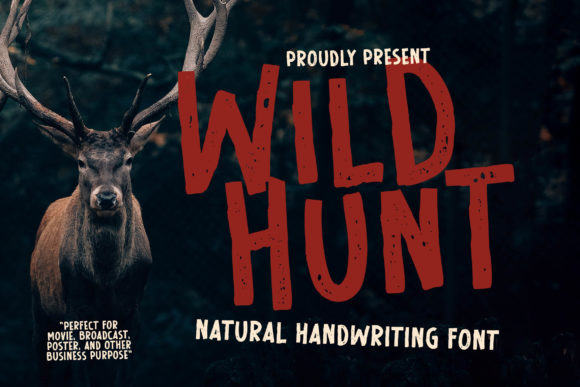
Wild Hunt has a distinct personality. Its uneven edges and irregular weight distribution give it a raw, almost handcrafted feel. This isn’t a font you’d use for body text, but as a headline or title, it commands attention without overwhelming the reader. The texture adds depth, making it ideal for editorial design where visual interest is key.
One of the first places I used Wild Hunt was on my blog’s header. The font’s ruggedness contrasted beautifully with the clean, minimal design of the site. It gave the space a sense of character, like a handwritten note in a digital world. I paired it with a simple sans serif for the navigation, which created a balanced look without sacrificing readability.
In a recipe ebook I was working on, Wild Hunt transformed the title page. The font’s bold strokes and uneven lines gave the cover a rustic, artisanal vibe that matched the theme of the book. It wasn’t just a font—it was part of the storytelling. Even in smaller sizes, Wild Hunt retained its unique texture, making it perfect for pull quotes or chapter openers.
I also experimented with using Wild Hunt in a wedding guide. The font’s edgy, unpolished look added a modern twist to traditional wedding content. It worked well for section headings and decorative accents, offering a fresh alternative to more conventional display fonts. The rough texture gave the document a tactile quality, even in digital form.
Readability was a concern at first. Could something so textured still be legible? In practice, Wild Hunt holds up surprisingly well. On screens, especially at larger sizes, the font remains clear and easy to read. For print materials, the texture becomes even more pronounced, adding a layer of visual richness that enhances the overall design.
When pairing Wild Hunt with other fonts, I found that it works best with clean, readable typefaces. A serif font like Georgia or a sans serif like Lato provides a strong foundation, letting Wild Hunt shine as a standout element. For captions or subheadings, a minimalist font keeps the design from feeling cluttered.
Wild Hunt is versatile enough to fit a range of projects. It’s great for newsletter headers, printable planners, and even social media graphics. Its rough texture gives it an edge that stands out in a sea of polished, uniform designs. Whether I’m working on a coaching workbook or a digital magazine layout, Wild Hunt adds a touch of authenticity that resonates with readers.
One thing to consider is the font’s file formats and licensing. Before using Wild Hunt in any project, I always check the available styles, weights, and multilingual support. It’s important to ensure the font will work across different platforms and devices. For commercial use, verifying the licensing terms is essential to avoid any legal issues.
As I continued to explore Wild Hunt’s potential, I found it particularly effective in editorial features and content branding. Its ability to convey mood and personality makes it a valuable tool for designers looking to create a unique visual identity. Whether it’s a blog header, an ebook title, or a printable guide, Wild Hunt brings a sense of character that elevates the entire design.
There’s something about Wild Hunt that feels intentional. It doesn’t try to be everything to everyone, but when used thoughtfully, it can transform a project from ordinary to unforgettable. It’s not just a font—it’s a design choice that speaks to the heart of creative expression.
For anyone looking to add a bit of grit and personality to their typography, Wild Hunt is worth considering. It’s a premium font that delivers on both style and functionality, making it a reliable asset for any designer or content creator.
Ultimately, Wild Hunt is more than just a display font. It’s a tool for storytelling, a way to bring a project to life with a unique voice. Whether I’m designing a blog header or crafting a printable guide, Wild Hunt continues to prove itself as a font that truly stands out.
As I continue to work on new projects, I know I’ll keep coming back to Wild Hunt. It’s a font that feels right, whether I’m going for a bold statement or a subtle accent. And in a world where typography often goes unnoticed, Wild Hunt reminds me that sometimes, the most powerful choices are the ones that make you look twice.